Episodes / Dealmaker's Playbook / No. 549
The Power of Cold Outreach in Business Acquisitions with Jesse Jackson
In this episode, Roland Frasier sits down with Jesse Jackson, one of his business partners and a successful entrepreneur who has scaled her automotive business to an eight figure company in…

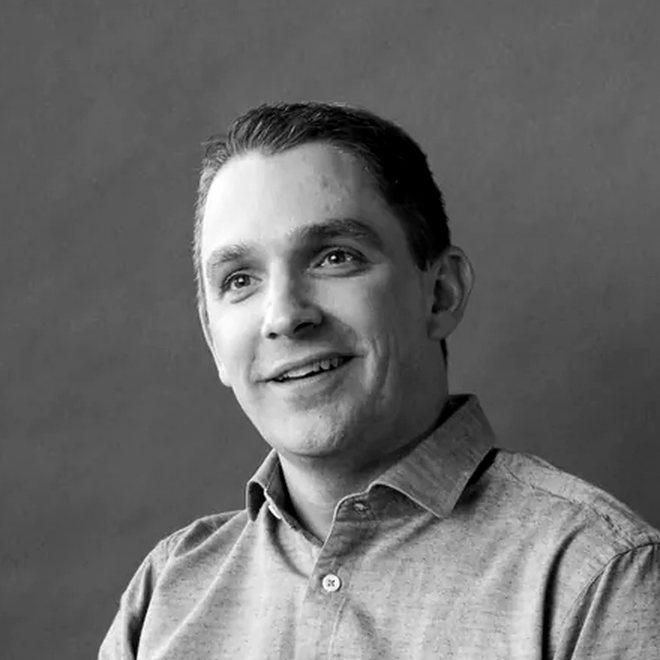
With guest Jesse Jackson
Listen instead and the audio keeps playing while you browse the site.
In this episode
The write up
A couple weeks before we recorded this, one of my business partners, Jesse Jackson, said over lunch that she started Mango Automotive just a few years ago, and she's done all these acquisitions, and it's come to an eight figure business with about a 25% profit margin. So the question I brought to this conversation was how do you do that? How does someone who has no experience with acquisitions and no experience running auto repair shops do that? And what would she tell the people who are doing everything right, but can't seem to get a first deal closed?
Her answer was less glamorous than people want it to be. Jesse's argument is that it comes down to cold outreach done consistently, having a partner that knows how to run the business, and being willing to stay in a deal after everyone has decided it's dead. We agreed on most of that, but not fully on franchising. And then there was homework for both of us: to figure out how you pitch owners who want more than just a straight sale.
How she picked an industry she had never worked in
Jesse is an environmental engineer by background. She has been in software startups for years, some of them as a founder, some of them as a chief product officer consulting. Her last one before Mango was a software startup in the automotive space. That was sold to private equity. She said that sitting on the founder side of that, and watching them come in and buy that company and several others, she was like, man, what have these guys done that was so special? Because it looked like a way more interesting seat than the one she had been in for four or five years.
What she saw in automotive was structural. By Jesse's numbers, over 60% of the owners are going to be retiring within the next 10 years. The biggest player only has 2% of the market, so it has not been through a consolidation phase. That's what she saw in that. She had gone first for podcasting software and backed out really, really quickly, because people were asking a high multiple on revenue for companies where the founder was wearing 10 hats.
I asked her what she tells people who can't choose. She said, basically, stop choosing abstractly. If you're down to two or three industries and you say, OK, how do I know which one? Start talking to owners in all of those. I think the whole point Jesse was making there is that once you've looked at 10 sets of financials in a single vertical, you know what the margins are, and you know whether you want to be in this place or not.
And she gave me an honest answer. I said, did you go out with the intention of finding an operating partner because you hadn't run a shop? She said, yeah, I should have, but I didn't. I just kind of got lucky. One of the people she called was not ready to sell and was interested in what they were doing, and they just partnered on one shop. So that's been the baby steps way. It was, okay, let's do one with Brian. Let's see how that goes. And then another. Only after that would they be committed to doing all of the deals together. Given that she's had some pretty rough partner situations in the past, I think that is a really good way to de risk it.
What the outreach numbers looked like
Some people have said that Jesse's the cold call queen. So let's do the math on that. I teach a funnel, and for those of you who don't know, it's roughly 100 incoming leads to produce one to three deals out the bottom. I asked her if that held up. She said it did. She said she was working somewhere between 100 and 150 shops in her area at the start. When I pressed her on it, she said 120 is probably the better estimate. That produced three deals.
That was not instantaneous, but it was quick. She went through my Epic program in August and had her first deal done by the end of December. Out of the first five calls that she made, one became her business partner and one became a deal she closed, which took an entire year to work out with the owner of the company.
And she didn't have a pile of cash. So I said, what were you selling on those calls? She said, well, vision. And then she was reminding me on air that I was the one telling her back then that maybe acquisitions weren't right for her. Fair enough. But what she had was energy and a clear picture of where the industry was going. As Jesse put it, an owner who has spent 30, 40, 50 years on a business thinks of it as their baby and doesn't want to see it die after they retire. So somebody who can describe what that business becomes is worth something that a check can't buy.
The part of the deal where everyone thinks it is dead
I have friends, who I think Jesse knows as well, who get letters of intent signed, and then deal after deal just kind of stalls out. So I asked her what she would say to them.
Jesse has names for the stages. She said that first comes what she calls the pit of despair, where you're like, this is rough and it's hard. That's usually because of the seller's feelings or the attorneys. Then you get to never closing canyon, which is the lowest point, when everyone in the deal believes that it is not going to close. She said that every single one of hers but one had gone through that. The exception was a shop where the owner was extremely motivated, and he'd failed to sell it through a broker. That one closed in a few weeks.
I wanted to know what is actually getting her out of the canyon. Is it the follow up, the reframing, the takeaway? Jesse said that the canyon is this gap between what the buyer is either able or willing to do and what the owner wants. And she said third parties tend to widen the canyon. So her fix is to find the common enemy. If you have a buyer and a seller that both want the deal, then something else is getting in the way, so whatever it is, name that thing, and then work around it together. As Jesse put it, "I've literally sat down in a restaurant for six hours and gone line by line through a 30 page contract and agreed with the sellers what we can and cannot do." Then they handed it to both attorneys and told them to draft it that way. Both said no. The principals said yes.
And when she's the one that the seller is frustrated with, Jesse sends Brian in. Brian calls the owner and says, yeah, she's awful. We agree she's awful. We'll fix that. And now she's the common enemy on purpose.
Running what you bought
Once you own the shop, Jesse said, it's time to hustle. She made a case that being an outsider helps: you don't have all of the assumptions that exist in the industry, and so you ask the questions that insiders stopped asking.
On systems, I pushed her, because a year or two ago she was having a hard time getting procedures documented. Her response was that when there was one shop, then three, nobody really felt the need. But now that it's bigger, the need is obvious to everyone. Her solution is, when something breaks, write it down. When you have a customer chargeback, write down how we did this. Then use that and revise it if it doesn't work. It's all in Notion. And she said it doesn't matter what the tool is.
On growth, I asked her how she is going to support something like 10 more acquisitions in a year without going nuts. Jesse's rule is, keep hiring yourself out of whatever you do at the lowest value. What she realized was that she was finding acquisitions, acting as CEO, and running finance. Those were three things she was doing that were really slowing down the company. She just hired somebody to do the acquisition leg work.
Where we pushed on each other
Jesse says I'm forever pressuring her on franchising. I was just asking. She said that she's worried about control, a playbook that franchisees don't follow, and failing shops under her name. My argument was that a franchise is actually a good thing for a control freak, because in the franchise document, you dictate how every single process is going to be done. McDonald's had exactly her problem early on, investors that are selling off menu items and letting the cleanliness go, and the document is going to govern that. I'm not advocating franchising for Mango. She said she looked at it pretty hard a year ago and she's open to looking at it again.
I think where we agree is on capital: raising from private investors has been slower than Jesse would like, partly because a lot of these people haven't invested in a business before. So she's going back to them and explaining the multiple arbitrage and making sure that distributions go out. Then I said, here's two paths that are not raising money. One is that you buy part of the business and you get an option on the balance, so that the owner gets a second bite at the apple. The other would be a traditional roll up, where the owner is taking shares and they see a five year plan with income that is equal to what they're making now. She is already pitching a version of that. She's saying, okay, you sell two thirds of the business and you keep one third. That's what she's pitching to owners she's been talking to for more than two years. So we agreed to sit down with Sam and really go through and build that pitch.
Her closing was to time box cold outreach. She said, one hour a day. In her experience, a deal shows up within three to six months, because there are more owners that need out than there are buyers. One of the owners, Tom, took her to dinner on the one year anniversary of the first call that she made to him and said, thank you. As Jesse put it, "You're giving a gift of allowing someone to move on from their business." So whether you are an owner or a buyer, I think that reframing is something that's really worth thinking about and taking action on. Block the hour, make the calls, and expect the canyon.
Written from the recording of this episode of Business Lunch.
Show notes
Welcome to a new episode of Business Lunch! In this episode, Roland Frasier sits down with Jesse Jackson, one of his business partners and a successful entrepreneur who has scaled her automotive business to an eight figure company in just a few years. Jesse shares her journey, the challenges she faced, and the strategies that helped her succeed, including the power of cold outreach and the importance of finding the right business partner. Whether you're interested in acquisitions, the automotive industry, or simply looking for inspiration, this episode is packed with valuable insights.
Highlights:
"You can’t help but have a deal arrive in your lap if you commit to cold outreach."
"I’m a mom of seven, and if I can grow an eight figure business, so can you."
"Every business problem can be solved with a solid process."
"You’re not taking something from someone; you’re giving them a gift by buying their business."
CONNECT
• Ask Roland a question HERE.
RESOURCES:
• 7 Steps to Scalable workbook
• Get my book, Zero Down, FREE
To learn more about Roland Frasier 👉 https://msha.ke/rolandfrasier/
Connect with me on social: